News
Focusing on the company's major milestones, industry events, and authoritative perspectives. Listening to the voices of a benchmark enterprise in the chemical industry.
What Defines a Leading Peptide Factory in Today’s Innovation-Driven Market?
Time : Mar 07, 2026
What Defines a Leading Peptide Factory in Today’s Innovation-Driven Market?
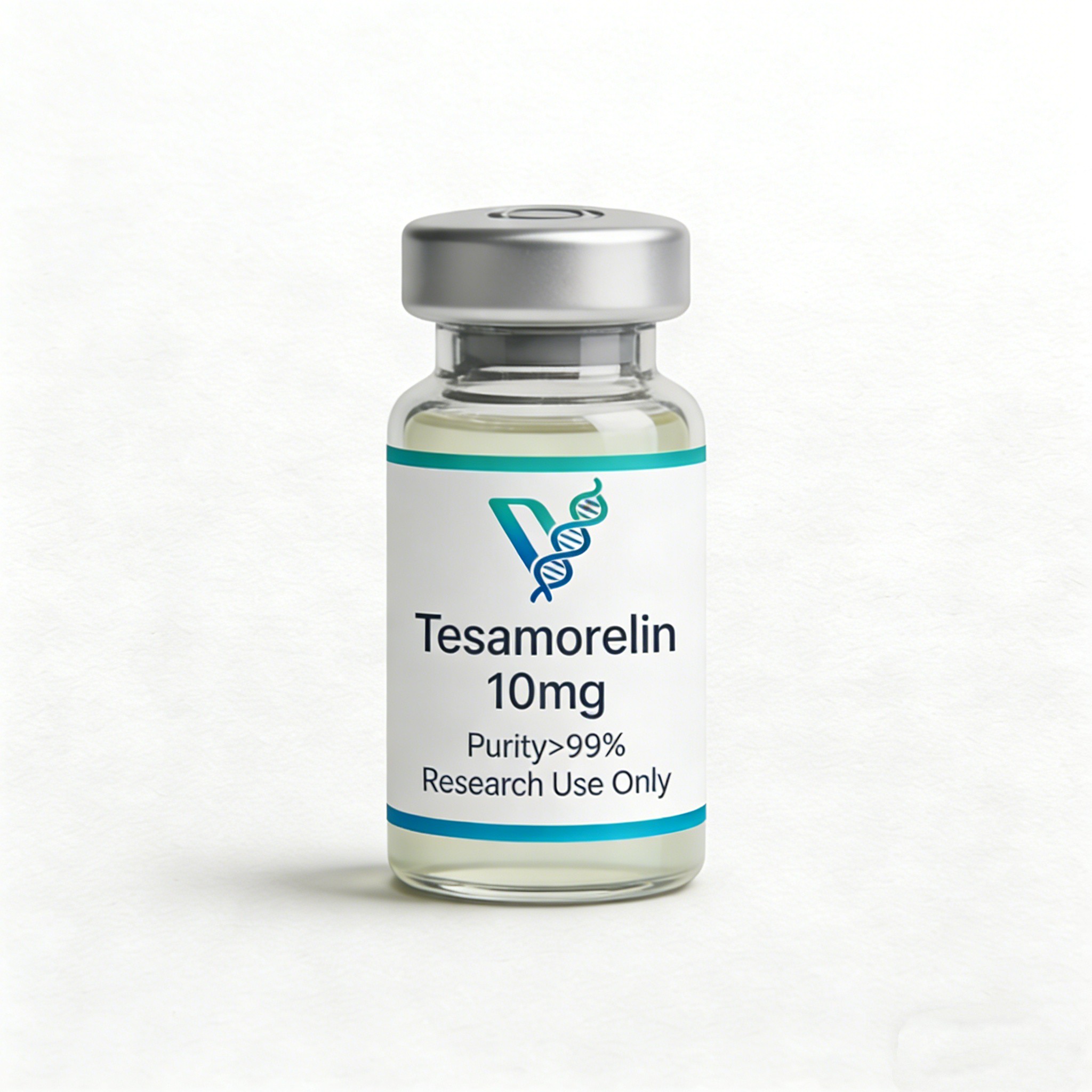
As peptide applications expand across therapeutics, nutrition, and cosmetics, the role of a peptide factory has evolved from a mere manufacturer to a catalyst for breakthroughs. With the global peptide market poised for explosive growth—fueled by GLP-1 drug demand and patent expirations starting in 2026—the need for partners that combine quality, innovation, and sustainability has never been more critical . But what truly sets apart the peptide factories that drive industry progress from the rest?
A top-tier peptide factory builds its reputation on uncompromising quality and technical prowess. Operating under cGMP guidelines and ISO certifications, leading facilities exceed 98% purity standards verified by HPLC and mass spectrometry, while eliminating impurities and endotoxins through rigorous testing . They master complex synthesis challenges, from long-chain peptide production (a major technical barrier in the industry) to over 200 custom modifications like PEGylation and cyclic peptide engineering . By integrating automated synthesis systems and AI-driven process optimization, these factories cut production time by 40% and boost reproducibility, addressing the low-yield issues that plague conventional manufacturing .
Sustainability and circular economy practices have become defining differentiators. Forward-thinking peptide factories adopt green production models, such as repurposing agricultural byproducts or food industry waste into bioactive peptide feedstocks —a approach that supports environmental goals while unlocking new peptide functionalities. Innovations like waste-to-energy systems, water recycling technologies, and zero-emission processing lines reduce carbon footprints, aligning with global sustainability targets . Companies leading this shift also prioritize eco-friendly packaging and resource reuse, turning production residues into fertilizers or industrial materials .
Cost efficiency and scalability are equally crucial for long-term partnerships. The best peptide factories leverage economies of scale and process innovations to cut costs by over 50% , making peptide-based solutions more accessible . They offer flexible production capacities, from milligram-scale research batches to tonnage-level commercial runs, supporting clients through every stage of product development . This scalability is particularly valuable as the market gears up for post-patent peptide drug production, where demand is expected to surge exponentially .
Beyond manufacturing, exceptional peptide factories act as strategic collaborators. They provide end-to-end support, from regulatory documentation (CoA, batch records) for IND/NDA filings to collaborative R&D through partnerships with academic institutions and research centers . By fostering industry clusters and knowledge sharing, these factories create ecosystems that accelerate innovation—turning scientific discoveries into market-ready products faster .
In an era where speed, quality, and sustainability intersect, the leading peptide factory is more than a supplier—it’s a partner in progress. By combining technical excellence, green practices, and collaborative expertise, these facilities empower clients to navigate the complex peptide landscape and seize emerging opportunities. For researchers, manufacturers, and innovators alike, choosing such a factory isn’t just a business decision—it’s an investment in the future of peptide-driven solutions.
Previous page:Already the first
Next page:Already the last
Navigation
- What Makes a Peptide Factory the Ideal Partner for Your Unique Project?
- What Defines a Leading Peptide Factory in Today’s Innovation-Driven Market?
- Where to Find a Trusted Peptide Factory for Your Research and Therapeutic Needs?
- What Makes a Peptide Factory Stand Out in Quality and Innovation?
- Looking for a Trusted Peptide Factory? What Defines Reliable Peptide Manufacturing?
- What Makes a Reliable Peptide Factory Indispensable for Scientific Advancement?
Send Us A Message